Wanted-Family-to-love-me
Over 600 orphans need a lot of care!
Of the 850 orangutans we have in our care in our Borneo Orangutan Survival Foundation sanctuaries in Indonesia, over 600 of them are orphans.
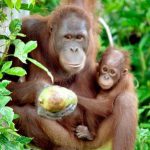
Mother orangutans are fiercely protective of their babies, and it’s only because they have died from infection or been killed that they let go of their precious baby.
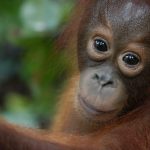
Many of our babies are traumatised from seeing their mothers killed, sometimes suffering years of depression.
Babies are often kept as pets while in their infant stage – it’s understandable people would want to keep these beautiful hairy babies, they are so vulnerable and so similar to our own human babies. But it’s wrong – they’re wild animals and should one day be released when they are ready.
While in the care of humans, they often become malnourished as given the wrong foods to eat or contract colds and even hepatitis or tuberculosis (TB), which can be fatal or affect them for the rest of their lives.
When the babies are surrendered it’s mostly because they have grown out of the ‘cute’ baby stage and are too strong and energetic for the human family to cope with, or they are sick and need medical care.
Our babies in Nyaru Menteng Rehabilitation Centre learn how to be orangutans without their mothers. Our babysitters become surrogate mothers, giving these babies love, care and the knowledge they need.
On arrival, a health assessment is conducted and a short quarantine period to make sure they aren’t going to pass anything on to any of the others.
Those that are unwell are nursed back to health before starting school. Some may need to be quarantined while an assessment and care plan is put in place.
Like all babies, they grow up and progress through school, from the nursery through the different levels of Forest school, until they get to Island University.
The babies we have for adoption are representational of all orangutans in our care. As they are all so very special, the money from the adoptions is also spent caring for every orangutan in our care.
It costs us $3500 per year to care for just one orangutan. And remember, all up, we have over 850 orangutans to care for…
These costs, cover:
• food – fruit and vegetables
• ongoing vaccinations
• any medication and hospital care needed
• a safe place to live and sleep
• toys, enrichment and schooling
• care 24 hours a day, 7 days a week.
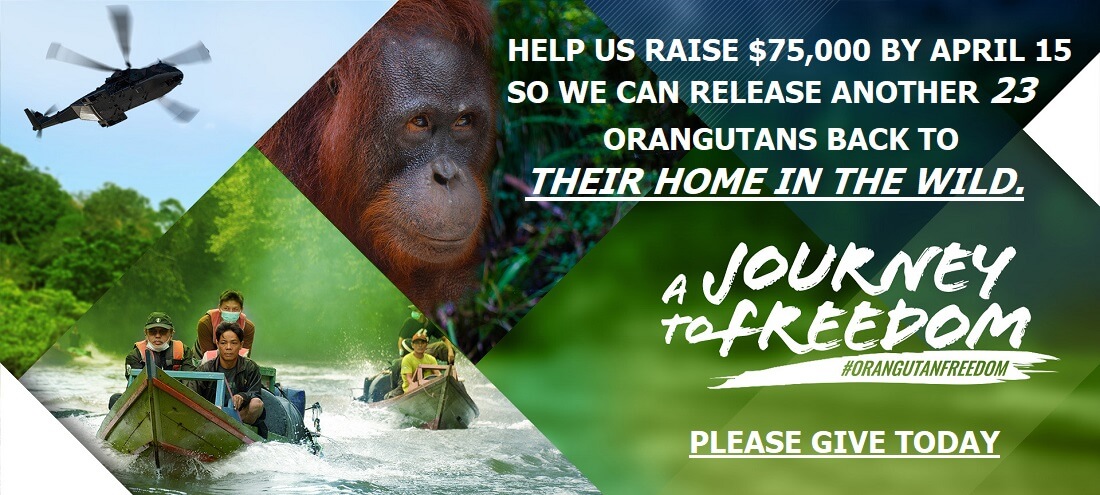
Our ultimate goal of course, is to release them back into the wild where they belong, but it can take 15 to 20 years of education to ensure they are self-sufficient. This time period depends on several things:
• health – we cannot release orangutans that have TB or any other disease or disability
• self sufficiency – each animal needs to be assessed to be ready for release, that they can source their own food and live independently
• funding – it’s very expensive to release an orangutan, we need remote areas of land, enough fruiting trees and tall trees for nests, transportation and monitoring.
Please adopt one of our babies for $12 per month and help us support all of our babies.