
Mawas

The main aim of the Mawas project is the achievement of protected status of valuable peatlands through collaboration with the Central and Local Governments and the local communities.

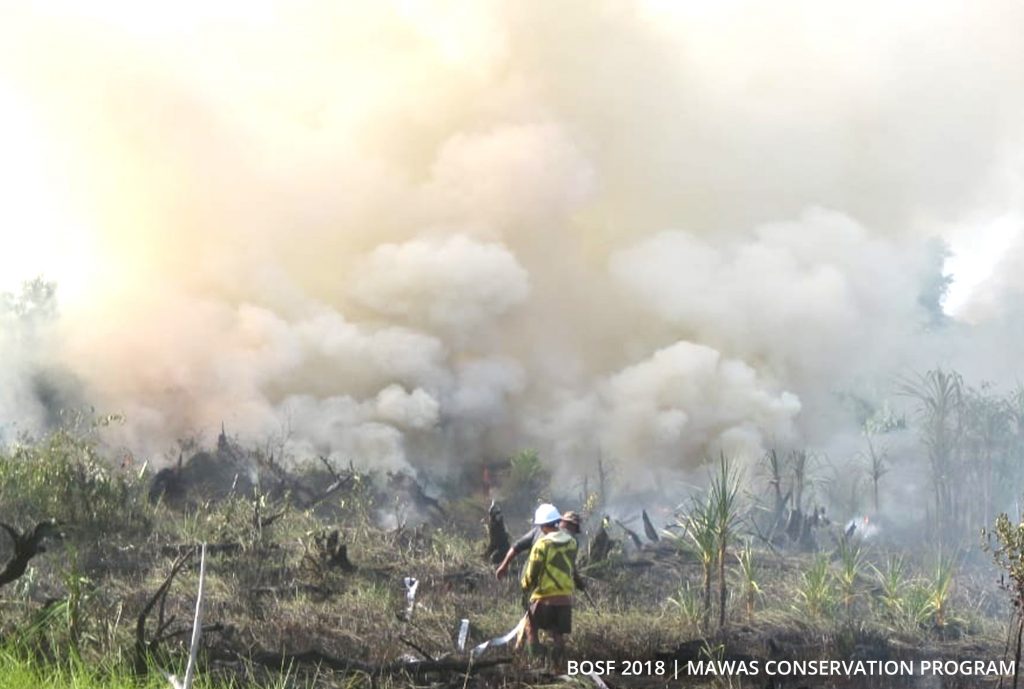
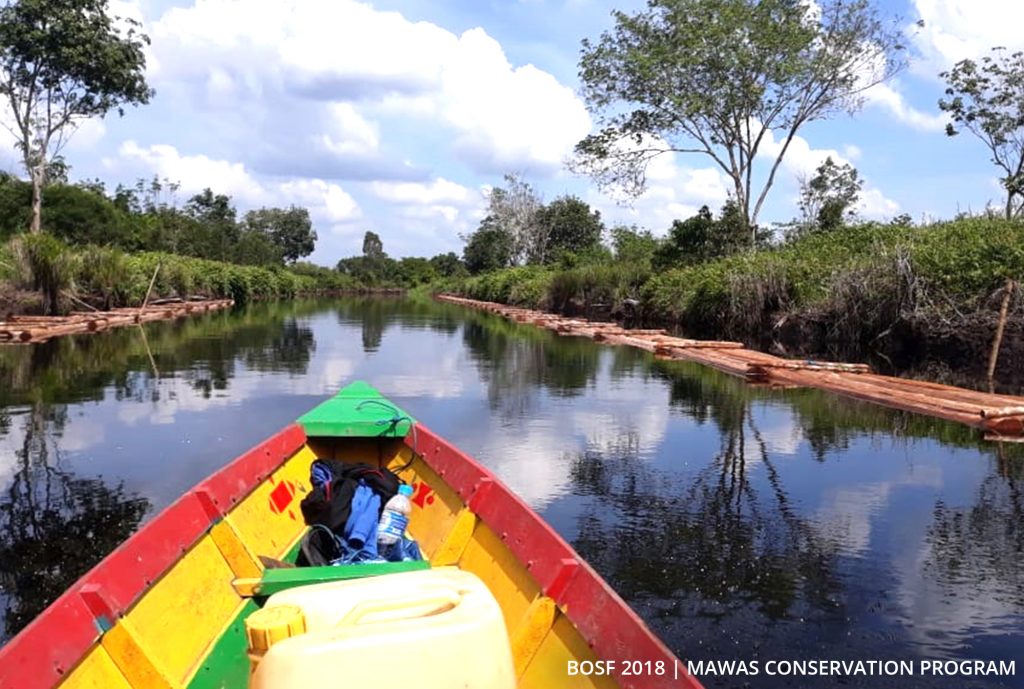
The Mawas area is situated in Central Kalimantan.  It is home to one of the last tracts of forest supporting wild orangutans. An estimated 3,000 wild orangutans and many other fauna and flora can be found in this area.

Not only is Mawas important for its biodiversity but the geological conditions of Mawas also make it a storage house of giga-tonnes of sequestered carbon.  Over a period of 8,000 years, decaying plant matter from the swamp forests has built up 13 - 15 metre high domes of peat. The Mawas area holds an amount of carbon equal to roughly 30 years of Australia's green house emissions.

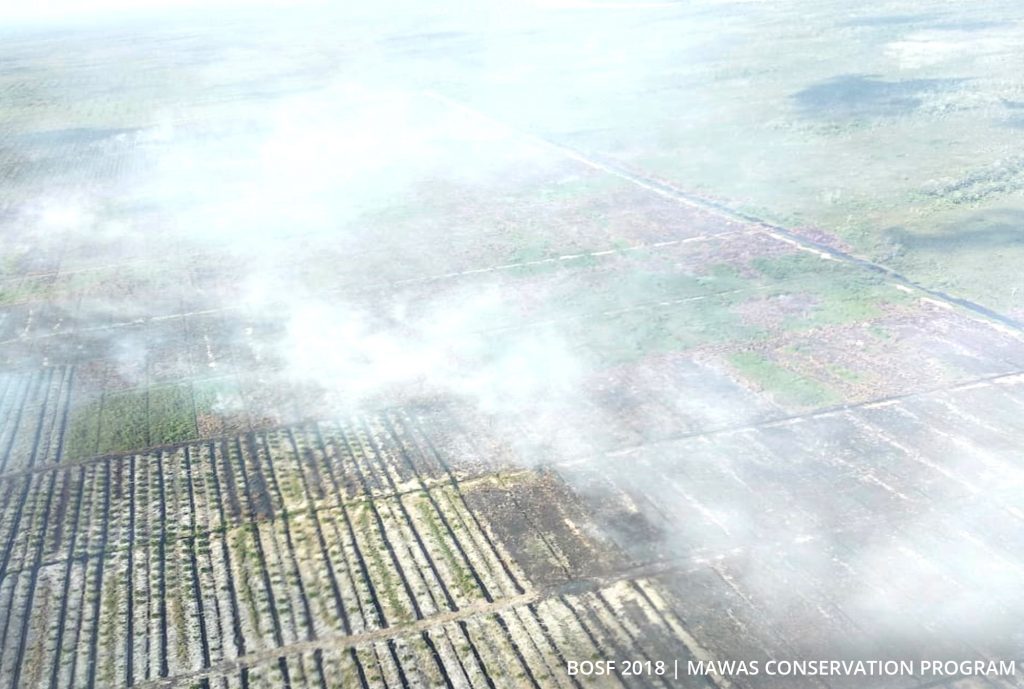
In September 2003, the provincial parliament in Central Kalimantan approved a new land use plan that designates 500,000 ha in the Mawas area to be managed by BOS for conservation. BOS is currently working in an area of about 280,000 ha within the ex-Mega Rice Project. 

BOS has initiated a forest conservation project with the objectives of:

  • conserving peat swamp forest area including reforesting degraded areas;
  • preserving the bio-diversity of the area;
  • providing global greenhouse gas (GHG) benefits;
  • providing access to programs such as health and education; and
  • improving incomes and building capacity and economic prosperity in local communities

The project is now in its development phase and will assist communities in learning technical skills including aquaculture, rice cultivation, agro forestry and farm development with a top priority being to deliver local independence and self-sustaining livelihoods.

The project will also provide education to children on the environment and conservation. Activities include visiting schools and providing community awareness programs as well as co-operative conservation programs.

The area is important for research activities with BOS operating the Tuanan Research Station in Kapaus. The Station has been implemented through extensive consultation with all local people and institutions and the use of local labour. Its purpose is to provide a year-round base to scientists tracking and observing the wild orangutan population.

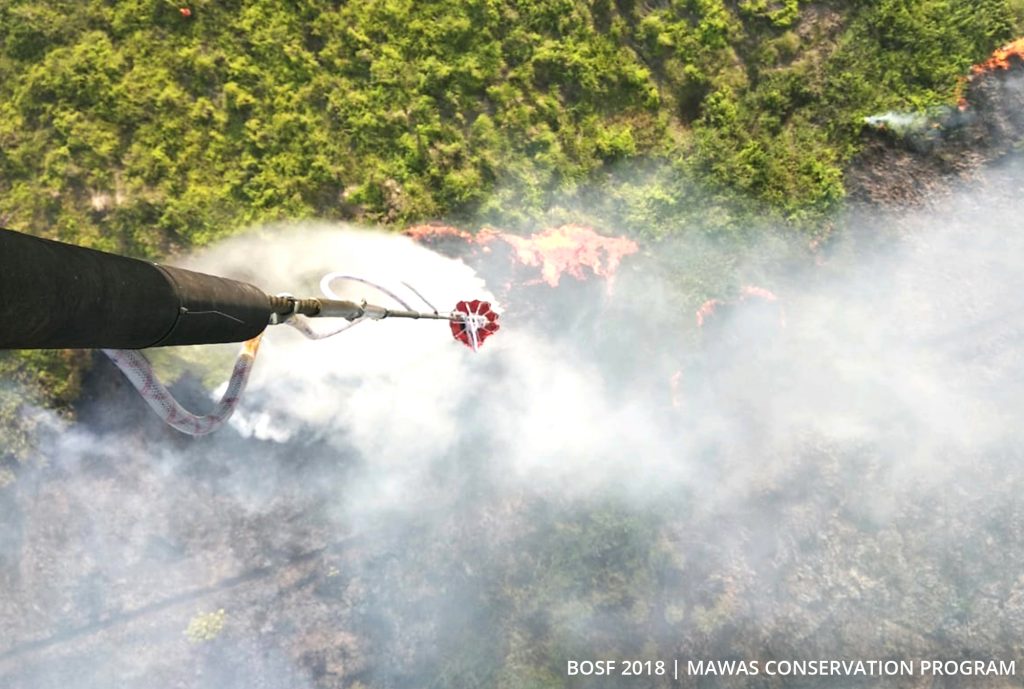
BOS is also involved in patrolling and monitoring the area for illegal activities via air and land and supporting law enforcement by providing guidance and legal awareness programs to the community and government.

And finally, the challenge over the next couple of years is to establish long-term funding security for the project.


Latest BOS News and Information
Why we are failing orangutans

10 March 2010
It is no secret that orangutans are threatened with extinction because their rain forests are being destroyed at an alarming rate. Ten years ago, Shawn Thompson, a writer, former journalist and university professor, set out to chronicle the threat to orangutans in a book released in March 2010. Read Article »


Decoding the long calls of the orangutan

10 March 2010
Research into the long calls of male Orangutans in Borneo has given scientists new insight into how these solitary apes communicate through dense jungle. Read Article »


"Environmentally-friendly" biofuels cause more harm

2 March 2010
'Environmentally-friendly' biofuels have been found to be more harmful to the planet than normal fossil fuel. Read Article »


Unilever drops major palm-oil producer

22 February 2010
BBC documentary shows Indonesian company clearing protected rainforest.

Read Article »


Red alert: conservationists name 25 primates most at risk

18 February 2010
Gorillas, orang-utans and a cyanide-eating lemur are among the world’s 25 most critically endangered primates, scientists have said. Read Article »


Palm oil plantations are now 'forests,' says EU

5 February 2010
The European Commission and some EU member states hope to redefine palm oil plantations as "forests," according to a leaked document from the EU executive. Read Article »


Campaign to save tropical forests failed by food giants

26 January 2010
Project to create sustainable palm oil project undermined by Western firms

Read Article »


Good governance vital to success of REDD

25 January 2010
Payments to developing countries to reduce emissions from deforestation will only succeed if corruption and lack of financial management capacity are addressed, says new report. Read Article »

BOS Newsletter
Keep up with the latest from BOS Australia.
First Name:
State:
Email: